Friday, July 24

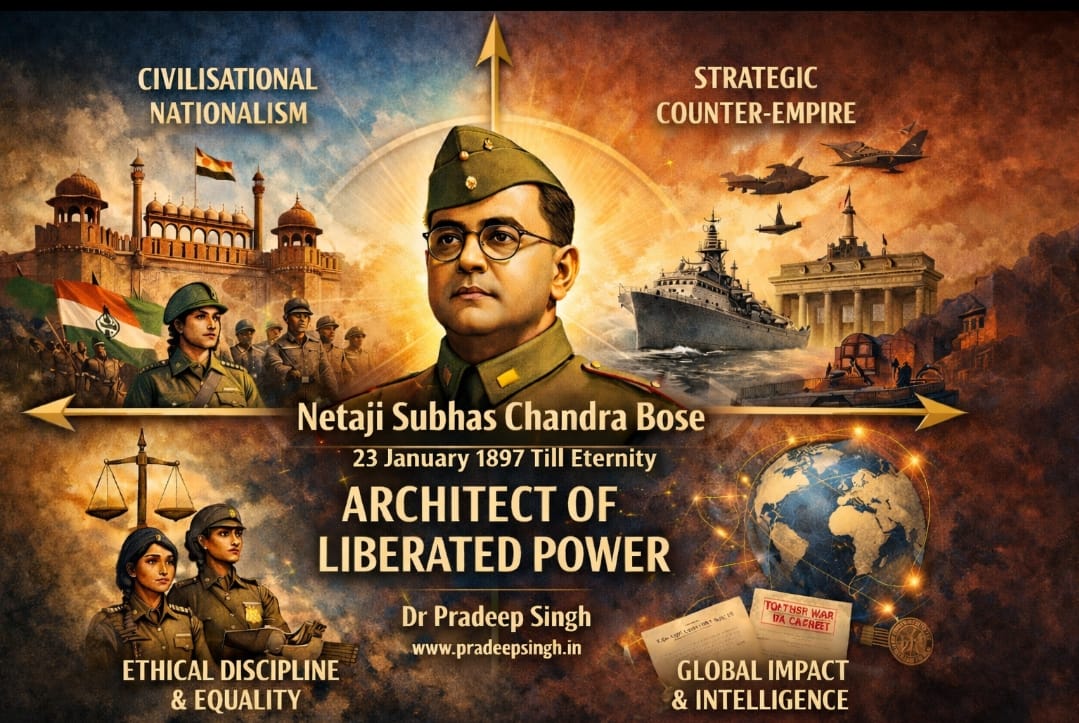
ACTION OF LIBERATION IN MOTION Subhas Chandra Bose must be read not as a heroic episode in Indian history, but as a complete and internally coherent theory of liberation—one that integrates civilisation, power, discipline, ethics, and global strategy into a single operating framework. His relevance endures precisely because he rejected false binaries: moral versus military, spiritual versus political, national versus international. Netaji’s thought unsettles because it is not comforting. It demands seriousness. That seriousness—structural, ethical, and strategic—is what history often dilutes, and what must now be restored. FREEDOM AS STRUCTURE, NOT SENTIMENT For Netaji, freedom was never an emotional aspiration or a moral entitlement granted by history. I
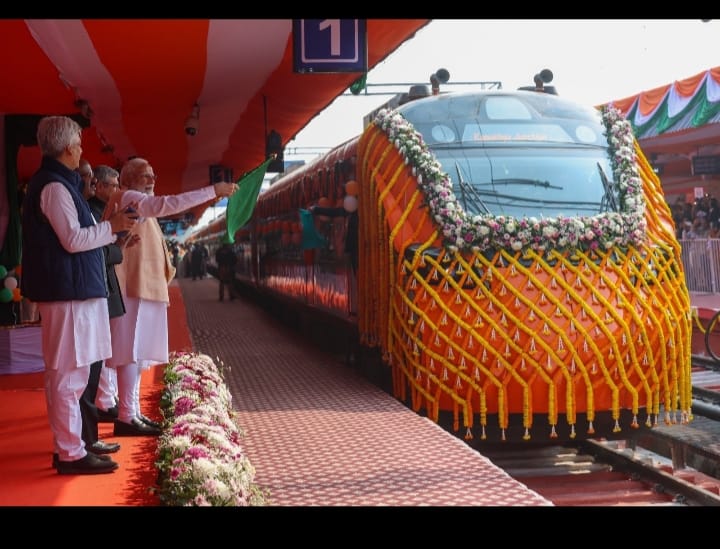
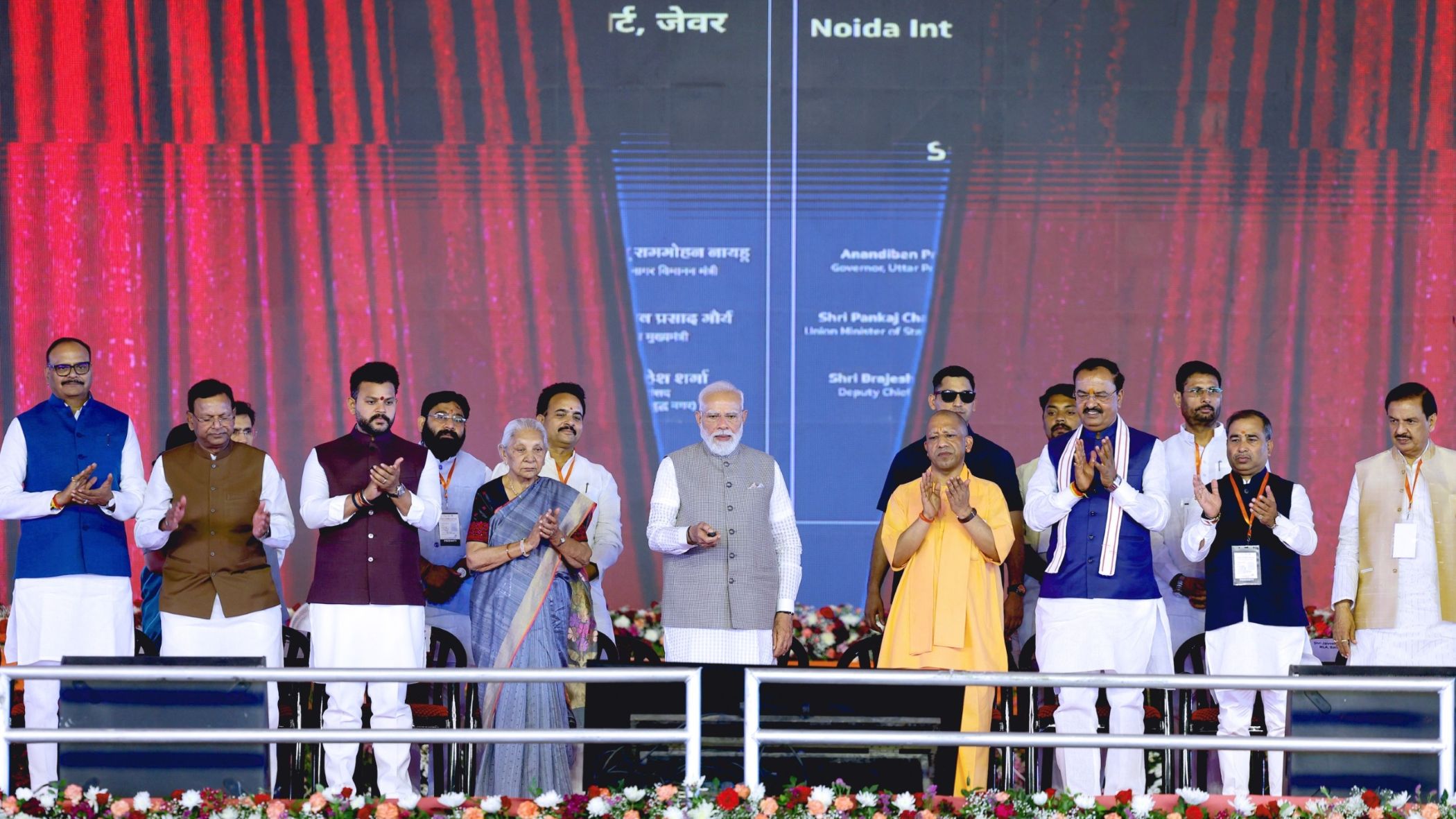
Prime Minister Narendra Modi today inaugurated and laid the foundation stone for multiple rail and road infrastructure projects worth more than ₹3,250 crore at Malda, West Bengal, marking a decisive leap in India’s journey toward world-class connectivity and inclusive national growth. In a historic milestone, the Prime Minister flagged off the country’s FIRST VANDE BHARAT SLEEPER TRAIN — symbolically connecting the land of Mother Kali (Bengal) with the land of Mother Kamakhya (Assam). This landmark initiative beautifully integrates faith, culture, and cutting-edge Indian engineering. “This modern sleeper train will expand across the entire country,” the Prime Minister stated, congratulating Bengal, Assam, and the entire nation on this transformati
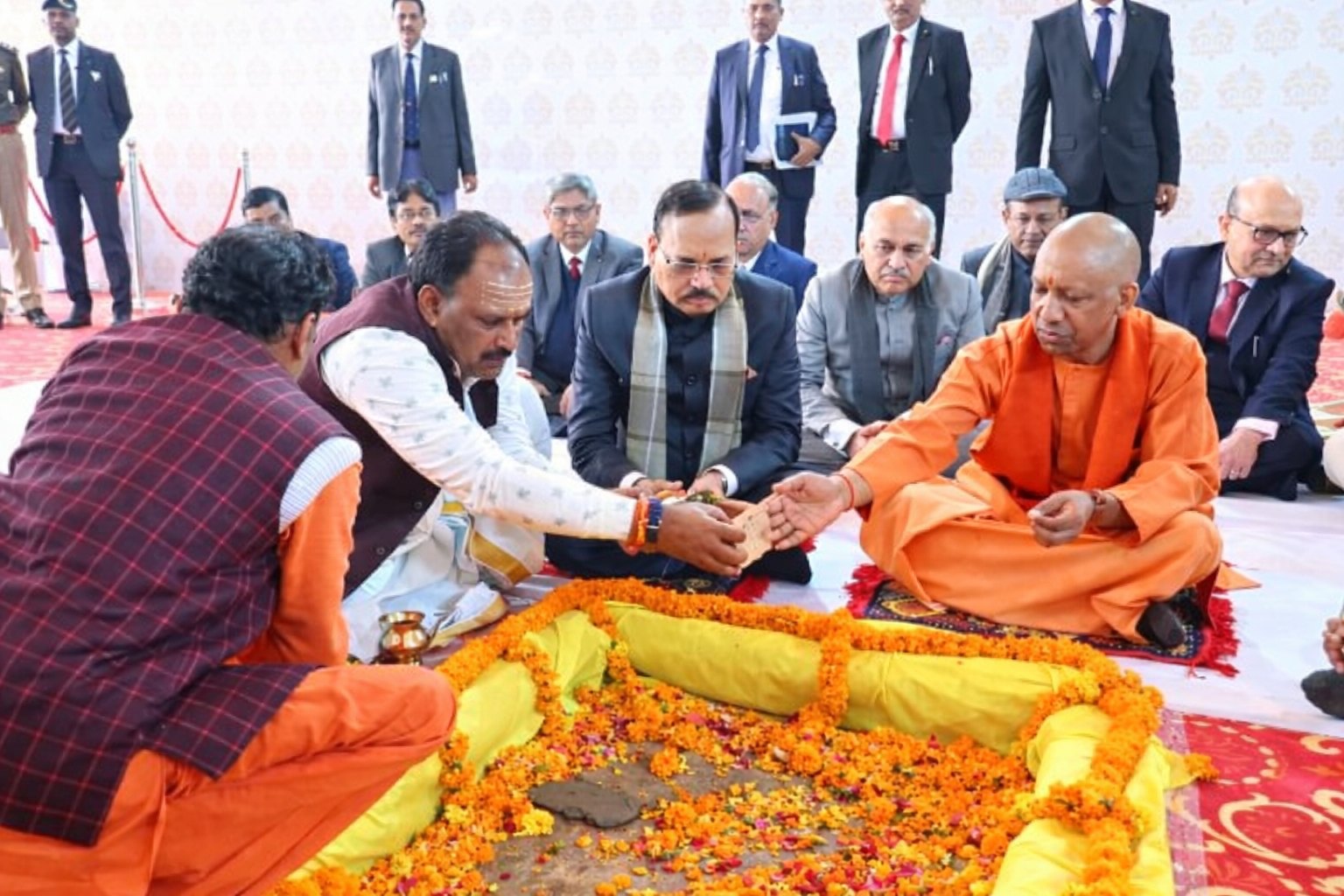
Today, in the civilisational city of VARANASI — where Dharma meets law and faith meets justice — Hon’ble Chief Justice of India, Justice SURYA KANT, visited Kashi on 17 January 2026, underscoring the judiciary’s role in strengthening constitutional governance, public service, and integrated justice delivery across the nation. In an august function following the foundation-stone laying of six Integrated Court Complexes in Uttar Pradesh, the Chief Justice emphasised the judiciary’s mission to make justice both accessible and exemplary for the entire country. Justice Surya Kant said: “To realize the Constitutional dream, I can proudly say that with the construction of the six integrated court complexes — and the four others yet to be built
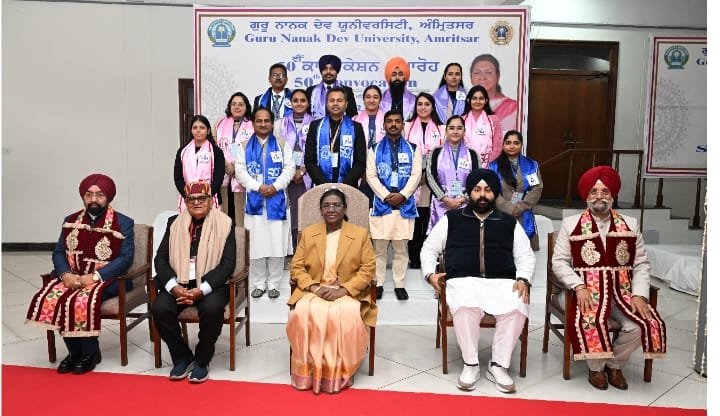
At the convocation ceremony of Guru Nanak Dev University, Amritsar, the President of India, Smt Droupadi Murmu, delivered a powerful national message on the true purpose of education. Addressing graduating students, the President observed that their paths will diverge into public service, private enterprise, research, teaching, or entrepreneurship. While each field demands different skills, she emphasised a set of timeless values that are essential in every calling: A lifelong commitment to learning Integrity, honesty, and moral courage even in adversity The courage to embrace change Resilience and the ability to learn from failure Teamwork and collaboration Disciplined use of time and resources Ap
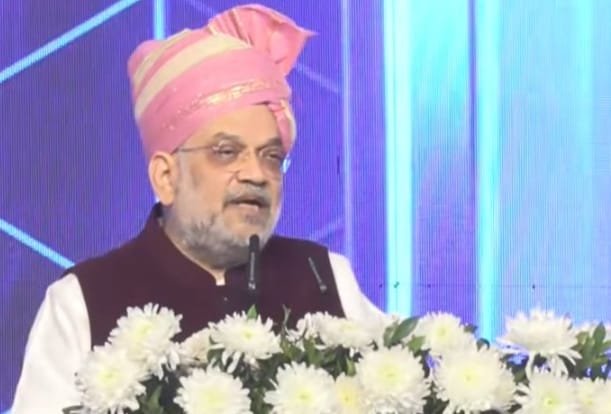
TRADITION, ENTERPRISE & SELF-RELIANCE POWERING A NEW BHARAT Addressing the Maheshwari Global Convention and Expo – 2026 in Jodhpur, Union Home and Cooperation Minister Amit Shah outlined India’s decisive economic and civilisational rise under the leadership of Prime Minister Narendra Modi. He stated that in the past decade, India has advanced from the world’s 11th largest economy to the 4th largest, and is firmly on course to becoming the 3rd largest in the near future. This transformation has been driven by strengthened manufacturing, expanded exports, digital transactions, skill development, and technology-led growth. Highlighting the Maheshwari community’s historic contribution, Shri Shah noted that it exemplifies how tradition and progress c
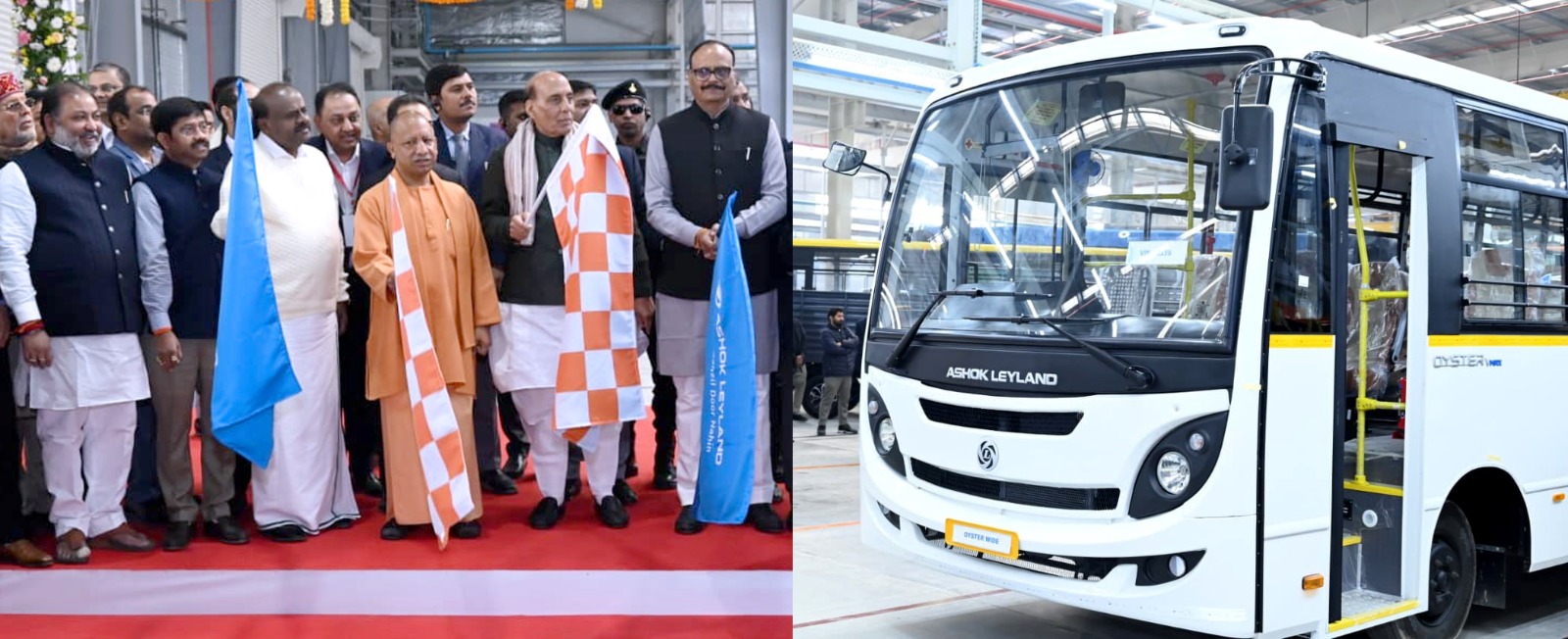
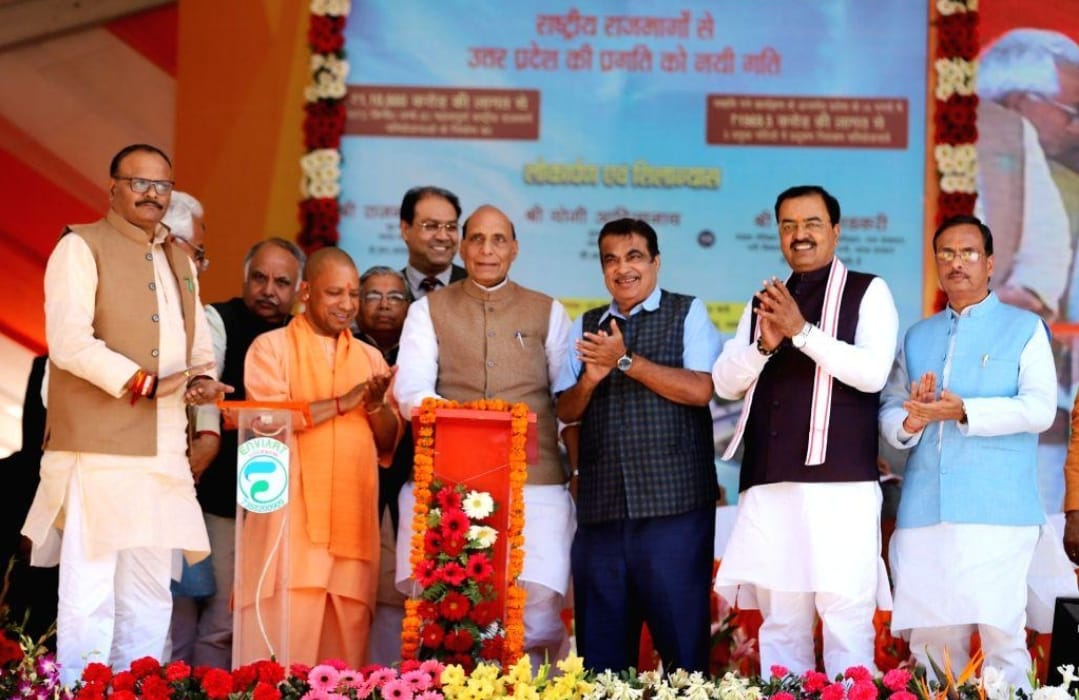
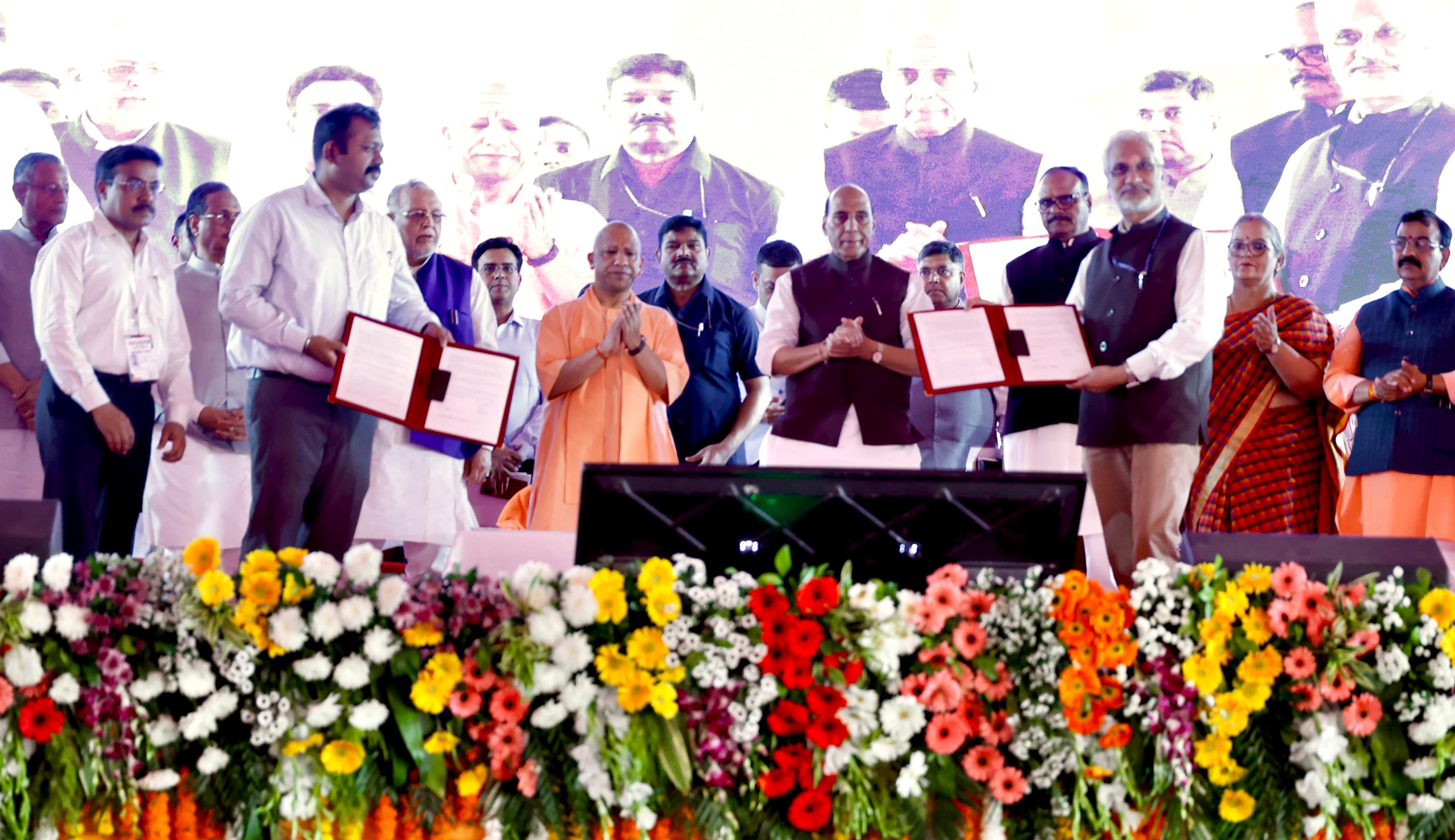
ASHOK LEYLAND INAUGURATES NEW EV FACTORY IN LUCKNOW Union Defence Minister Rajnath Singh and Uttar Pradesh Chief Minister Yogi Adityanath inaugurated Ashok Leyland’s new factory in Lucknow, focused on manufacturing electric vehicles and advancing green mobility. LOCATION & STRATEGIC VALUE Site: Sarojini Nagar Extension-1, Lucknow Significance: A major step in giving Uttar Pradesh a fresh industrial identity in electric mobility and sustainable, green manufacturing. KEY MOMENTS FROM THE EVENT Ribbon-cutting ceremony formally marked the start of the new facility. Rajnath Singh and CM Yogi toured the plant to review operations and capability. Both leaders also flagged off an electric bus, reinforcing the push for cleaner public transport and
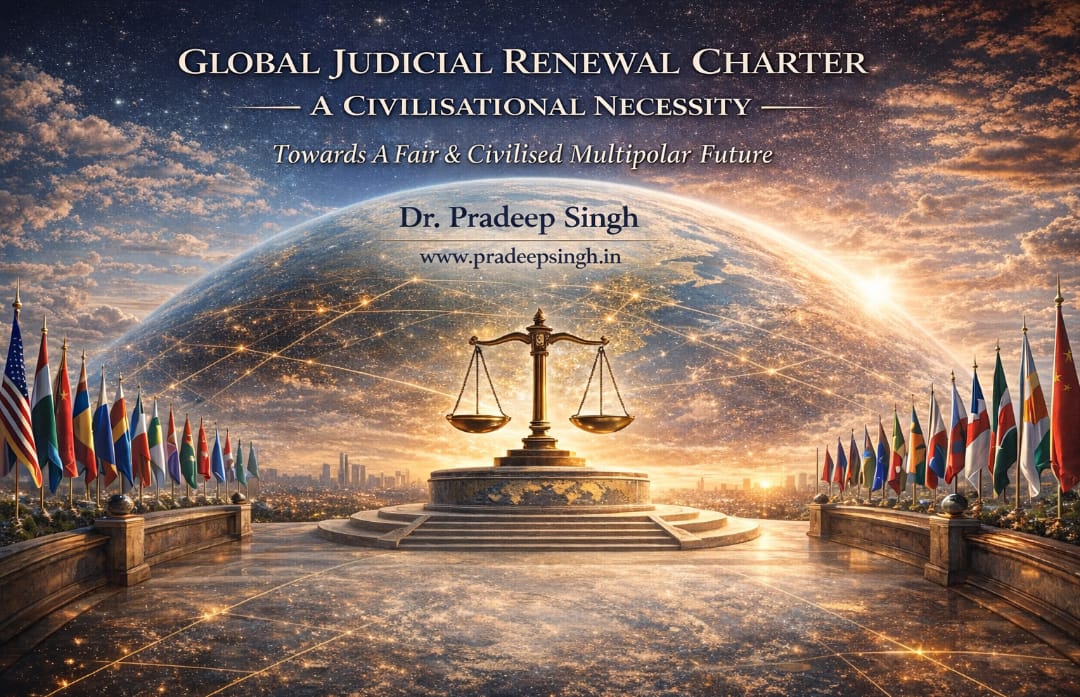
PRUDENCE OVER POWER - A CIVILISATIONAL NECESSITY While nations and the public at large debate proximate reasons for what transpired in Venezuela, it is time to step back and zoom out from episodic analysis toward a more mature, systemic, and historically grounded understanding of global events across the Global South, East, West, and North; across left, right, and centre alike. The future will not be secured by isolated narratives or reactive judgments, but by a forward-looking, all-inclusive, civilisation-ready framework capable of absorbing difference, preventing escalation, and protecting sovereignty without repeated experimentation or destabilising sovereign shocks. What follows is not a commentary on a single crisis, but a structured doctrine for a world that must now le
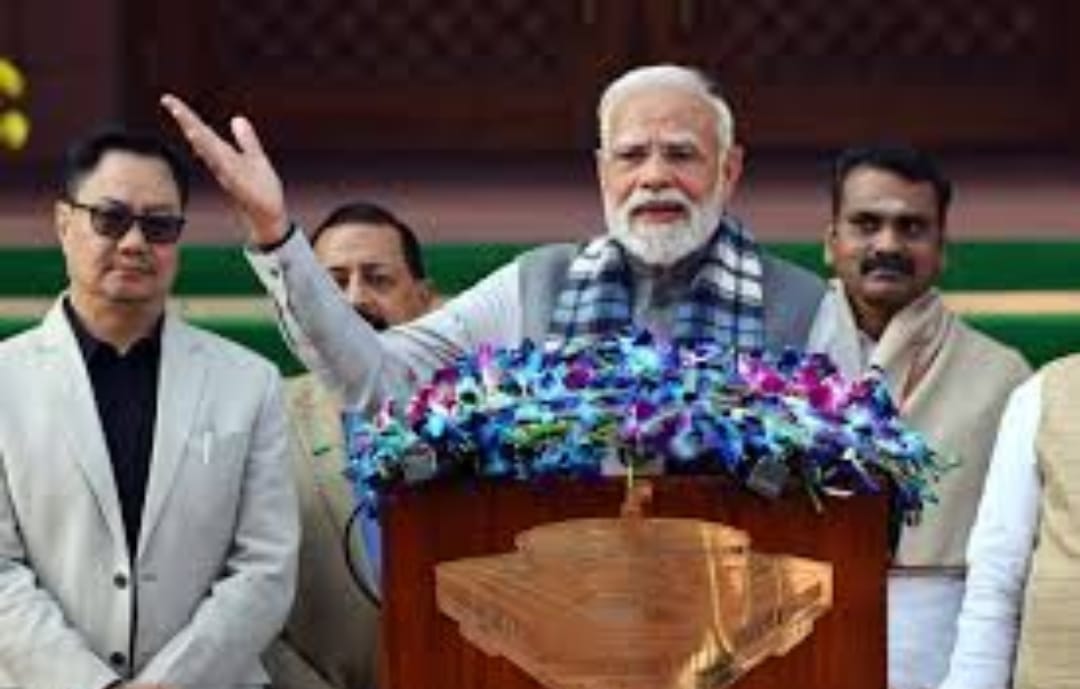
A STRUCTURAL RESET OF RURAL INDIA’S EMPLOYMENT ARCHITECTURE The Viksit Bharat Guarantee for Employment & Livelihood (Rural) Act, 2025, anchored in the Prime Minister’s long-term vision for a Viksit Bharat, marks not a cosmetic reform but a structural reset of India’s rural employment paradigm. For the first time, employment guarantee is being legally fused with asset durability, technology-backed accountability, and time-bound wage security—directly confronting the systemic weaknesses that reduced earlier frameworks to fiscal expenditure with limited developmental return. In Uttar Pradesh, the country’s largest rural workforce becomes the national proving ground of this reform. The state’s scale converts policy intent into a stress
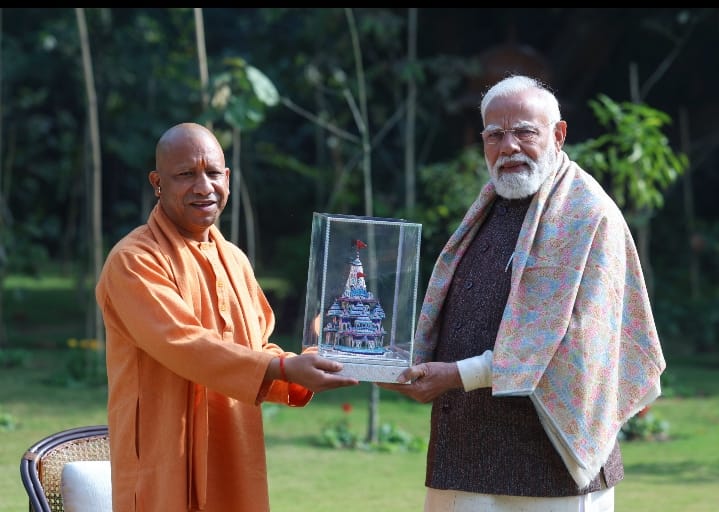
GOVERNANCE AND 2027 STRATEGY Uttar Pradesh Chief Minister Yogi Adityanath met Prime Minister Narendra Modi for an in-depth review of governance priorities concerning Uttar Pradesh. The discussions covered: Expansion of the Uttar Pradesh Council of Ministers, Review and acceleration of development and welfare schemes, and Strategic preparedness and roadmap for the 2027 Uttar Pradesh Assembly elections. Thereafter, Chief Minister Yogi Adityanath also met BJP National President and Union Minister J. P. Nadda to deliberate on the prevailing political scenario in Uttar Pradesh, organisational coordination, and alignment between governance delivery and party strategy. The meetings reflect a cohesive, forward-looking approach focused on effective governance, developme
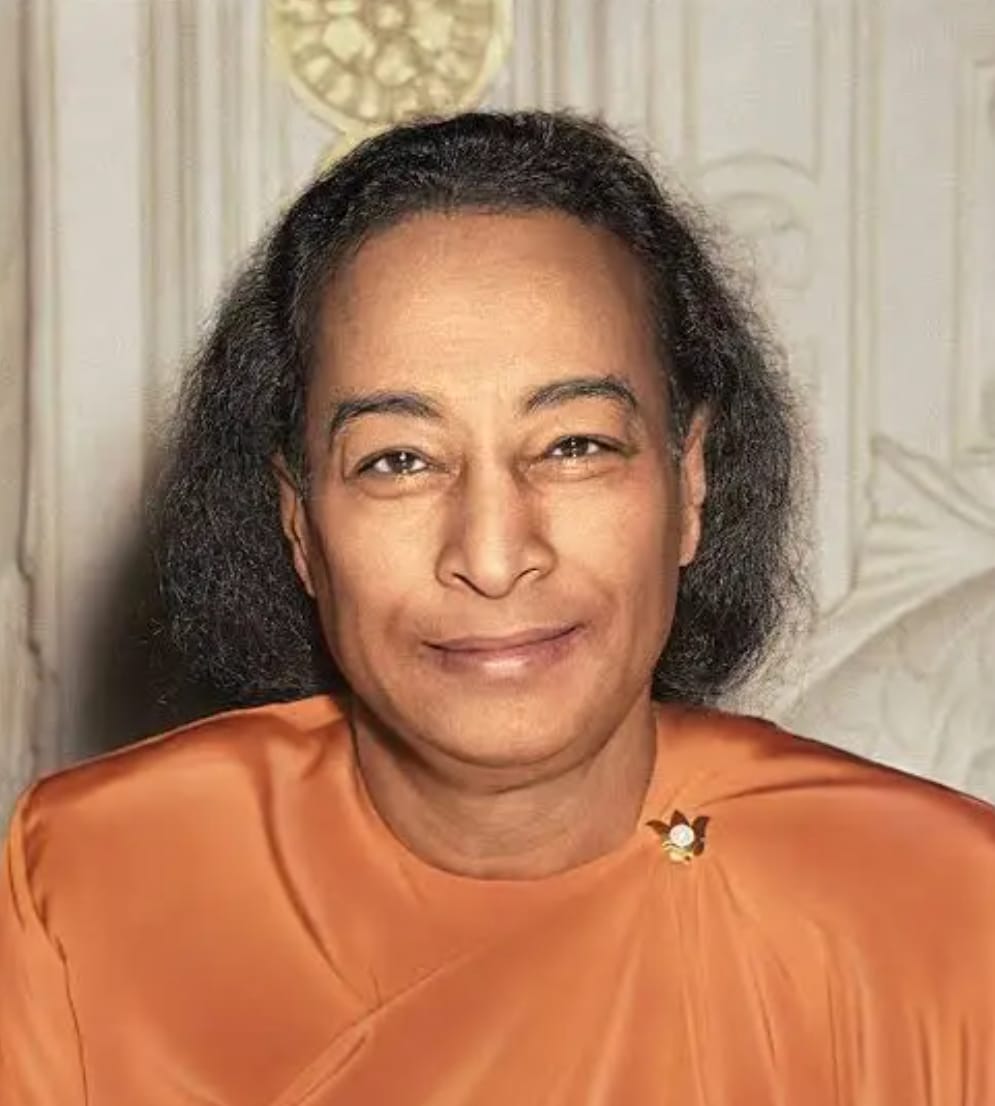
On the birth anniversary of Paramahansa Yogananda, we honour a master who gave the modern world a precise science of inner mastery—uniting spirituality with discipline, ethics, and action. In an age of speed, noise, and fractured ethics, Yogananda Ji reminds us that inner stillness precedes clarity, ethical strength, and harmony—for individuals, institutions, and nations alike. Your browser does not support the video tag. Anant Smaran | Anant Prerna Harmony & Joy to One & All !! Ethical Leadership | Inner Science | Vasudhaiva Kutumbakam Dr Pradeep Singh www.pradeepsingh.in