India Opens Smart Lucknow–Kanpur Expressway, Reinforcing the Rise of a New Global Infrastructure Power
By –
Sapna Singh
WORLD NEWS NATIONAL BUREAU | NEW DELHI
Sapna Singh
WORLD NEWS NATIONAL BUREAU | NEW DELHI


Lucknow, Uttar Pradesh | 13 July 2026
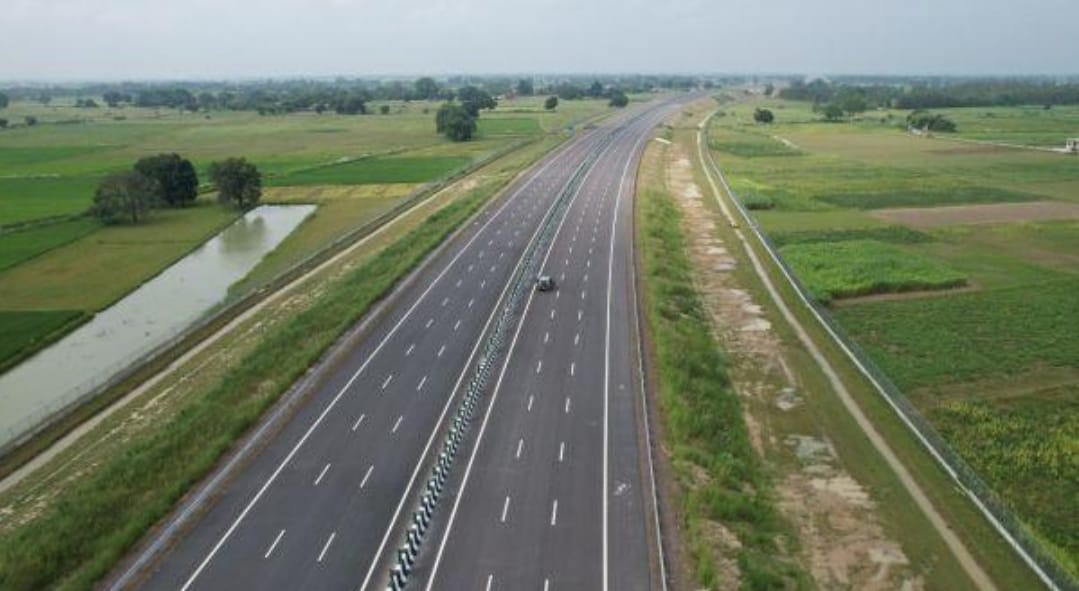
India today marked another significant milestone in its infrastructure transformation with the inauguration of the 63-kilometre Lucknow–Kanpur Expressway (National Expressway-6/Awadh Expressway), one of the country's most advanced access-controlled highway corridors. The project was inaugurated by Union Defence Minister Rajnath Singh, Union Minister for Road Transport & Highways Nitin Gadkari, and Uttar Pradesh Chief Minister Yogi Adityanath, underscoring its strategic importance in India's rapidly evolving transport network. The expressway is scheduled to open for public traffic from 14 July 2026.
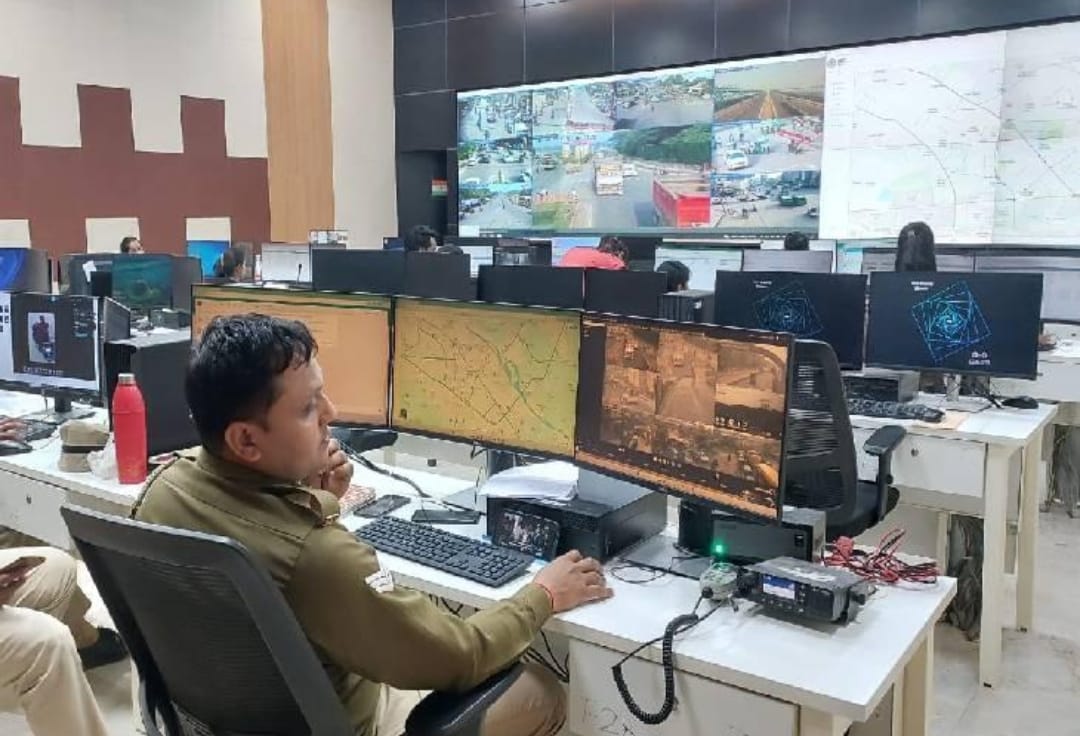
Designed as a six-lane expressway with provision for future expansion, the corridor connects the state capital, Lucknow, with Uttar Pradesh's largest industrial city, Kanpur, reducing travel time to approximately 45 minutes under normal traffic conditions. Equipped with AI-enabled traffic monitoring, intelligent surveillance systems, Automatic Number Plate Recognition (ANPR), barrier-free electronic tolling and advanced road safety infrastructure, it reflects India's growing emphasis on smart, technology-driven transportation.
Beyond faster mobility, the expressway is expected to transform one of North India's most important economic corridors. Improved movement of people and goods will strengthen logistics, reduce transportation costs, improve supply-chain efficiency and enhance regional connectivity, creating new opportunities for commerce, industry and urban development.
The Lucknow–Kanpur Expressway is far more than a transportation project; it is a strategic economic asset. By substantially reducing travel time and logistics costs between two of Uttar Pradesh's largest urban and industrial centres, the corridor is expected to enhance productivity, strengthen regional supply chains, improve the ease of doing business and attract fresh investments across manufacturing, MSMEs, logistics, warehousing, real estate, education, healthcare, hospitality, information technology and allied services.
The expressway is also expected to generate direct and indirect employment, encourage the development of integrated industrial townships and logistics parks, stimulate entrepreneurship and accelerate balanced regional development. Improved connectivity with airports, freight corridors and the national expressway network is expected to enhance operational efficiency, facilitate faster market access and strengthen long-term economic competitiveness.
The Lucknow–Kanpur Expressway is expected to become a major catalyst for investment-led growth by significantly improving connectivity between Uttar Pradesh's administrative capital and its largest industrial centre. Reduced travel time, lower logistics costs and greater supply-chain efficiency enhance the overall ease of doing business, making the region increasingly attractive to both domestic and international investors.
Improved connectivity is expected to encourage the development of industrial parks, logistics hubs, warehousing facilities, manufacturing clusters, technology parks, commercial real estate, hospitality projects and integrated townships along the corridor. The expressway also strengthens access to skilled human resources, educational institutions, healthcare facilities and expanding consumer markets, creating a stronger ecosystem for sustainable investment.
Key sectors expected to benefit include manufacturing, defence production, food processing, pharmaceuticals, electronics, automobiles, textiles, e-commerce, logistics, renewable energy and information technology. Faster movement of raw materials, finished products and personnel can improve operational efficiency, reduce inventory costs and enhance competitiveness—important considerations for long-term investment decisions.
The corridor complements Uttar Pradesh's broader programme of infrastructure development, including expressways, airports, industrial corridors, freight connectivity and logistics infrastructure. Together, these initiatives are reinforcing the state's emergence as one of India's fastest-growing investment destinations and an increasingly important contributor to the country's manufacturing and logistics capabilities.
The inauguration of the Lucknow–Kanpur Expressway marks more than the completion of a major highway—it represents another step in India's long-term strategy of using high-quality infrastructure as a catalyst for economic transformation. Modern transport corridors are increasingly recognised as engines of productivity, investment and regional competitiveness, and the new expressway strengthens one of Uttar Pradesh's most important economic corridors.
By substantially reducing travel time and improving logistics efficiency, the corridor is expected to lower transportation costs, enhance supply-chain resilience and improve the ease of doing business. These advantages can encourage greater private investment across manufacturing, defence production, food processing, pharmaceuticals, electronics, information technology, logistics, warehousing, commercial real estate, tourism and allied services. Faster connectivity also supports labour mobility, market access and operational efficiency—factors that increasingly influence investment decisions.
For Uttar Pradesh, the expressway complements a broader programme of infrastructure expansion encompassing expressways, airports, industrial corridors, freight connectivity and logistics networks. Together, these initiatives are strengthening the state's attractiveness as a destination for domestic and international investment while supporting employment generation, industrial diversification and balanced regional development.
For India, the project reflects a wider national vision in which infrastructure serves not merely as a public utility but as a strategic economic asset. As global companies continue to diversify supply chains and seek resilient manufacturing and logistics destinations, world-class connectivity enhances India's competitiveness and reinforces its position as a trusted partner in global trade and investment.
The Lucknow–Kanpur Expressway is therefore more than a highway connecting two cities. It is an emerging economic corridor connecting enterprise, innovation, talent, investment and opportunity. As India continues its infrastructure-led development journey, projects such as this demonstrate that modern connectivity is no longer merely about reducing travel time—it is about unlocking productivity, enabling investment, fostering regional prosperity and strengthening India's emergence as one of the world's leading infrastructure-driven economies of the twenty-first century.
By –
Sapna Singh
WORLD NEWS NATIONAL BUREAU | NEW DELHI


0 Comments:
Leave a Reply